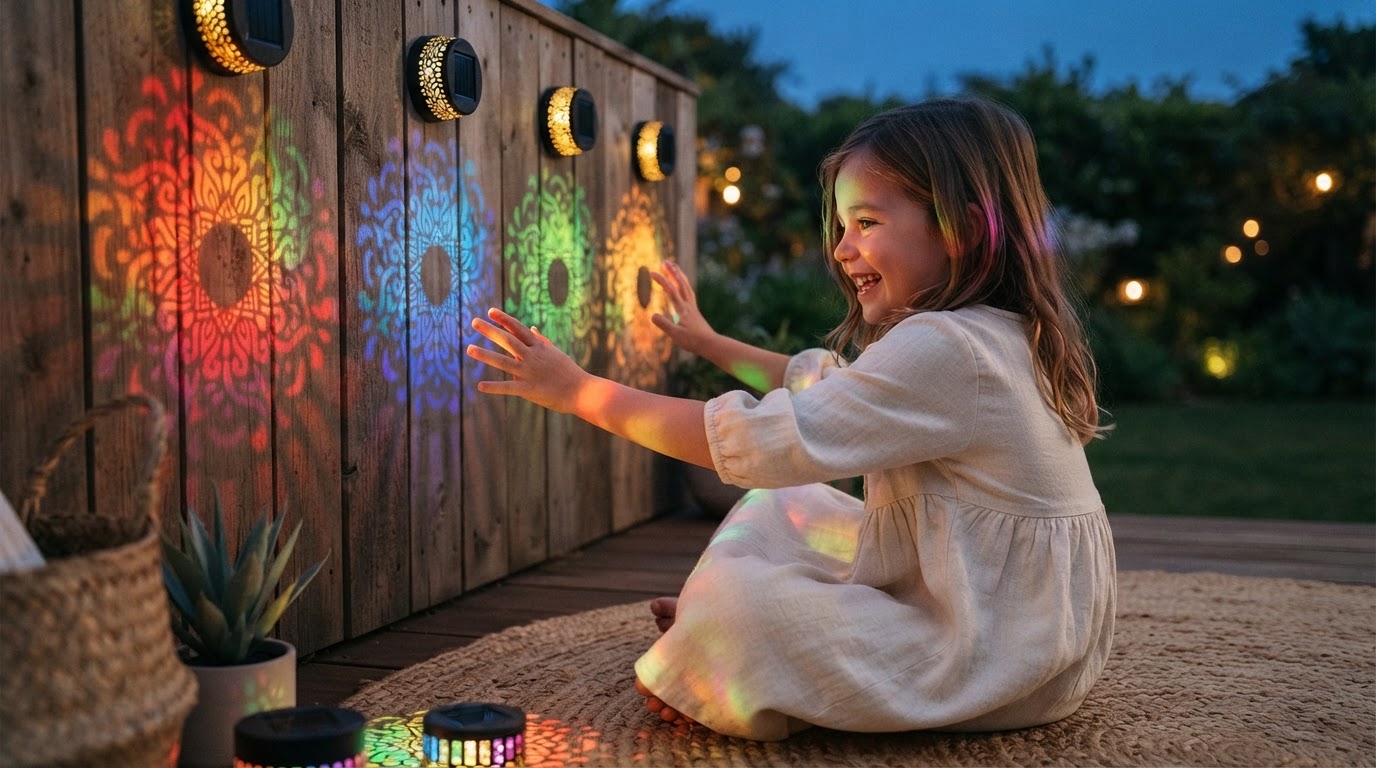
How do Solar Mandala Lights create shadow patterns?
 Sam VasquezBuying Guide Lead
August 19, 2026 — Solar Mandala Lights generate intricate geometric shadows through a process of optical projection where a top-mounted LED emits light through precision-cut metal apertures, provided the light source is positioned at the correct focal distance from the surrounding surfaces.
Homeowners seeking a bohemian or zen-like atmosphere often use these fixtures to transform flat, uninspired surfaces like concrete patios or wooden fences into dynamic art displays. The effectiveness of the shadow depends heavily on the contrast between the light source and the ambient darkness of the environment. Unlike standard floodlights that wash out a space, these are designed for localized atmosphere and visual texture.
How does the design of a solar lantern affect its shadow?
The complexity and clarity of the shadow are determined by the proximity of the light source to the laser-cut patterns and the opacity of the housing material. Between these two factors, the distance to the projection surface is the most critical variable for maintaining sharp edges in the mandala design. For example, The Old Farmer’s Almanac Store notes that their shadow solar lanterns utilize laser-cut patterns in the metal to create a mesmerizing decorative glow that shines against reflective paint inside the lantern, which helps amplify the output before it passes through the stencil. If you are looking for a sharp, high-contrast mandala, I recommend choosing a metal housing over plastic, as metal allows for thinner bridges between the cutouts, resulting in more intricate detail.
Here’s what I’d actually buy: a lantern with a high-lumen warm white LED (typically 10-15 lumens) if you want the pattern to reach more than three feet. If you’re on a budget, smaller stake lights work, but the patterns often blur if the ground isn't perfectly flat. Solaz Designs offers a Tiled Swirl Shadow Light that functions as a dynamic art piece, extending its reach in the dark to cast unique shadow patterns that differ significantly from standard grid-pattern lights. Skip this if you have significant light pollution from streetlamps, as the ambient light will wash out the delicate shadow work.
Where should you place Solar Mandala Lights for the best projection?

Photo by Jorge Luis Acasiete Conza on Pexels
To achieve the most defined shadow patterns, you must place the light source within two to four feet of a neutral-colored, flat surface like a light-colored stone path or a plain perimeter wall. According to product details from Etsy sellers specializing in waterproof garden lanterns, these fixtures perform best when the surrounding area is free from competing light sources that might dilute the projection. When I set these up, I prioritize placing them near outdoor mandala projection lights to create a layered effect. If you place a mandala lantern in the middle of a large, dark lawn, the pattern will dissipate into the grass and lose its geometric integrity.
For those focusing on enhancing walkways with solar mandala lights, vertical height is your best friend. A lantern hanging from a shepherd's hook will cast a wider, more circular mandala on the ground than a stake light positioned low to the turf. If you are choosing between a hanging lantern and a ground stake for a patio, I’d go with the hanging version every time because it utilizes the floor as a canvas without the light being blocked by low-lying foliage. You can also integrate these with solar shadow lights outdoor setups to ensure consistent coverage across different elevations in your garden.
Quick answers
Q: How long do the shadow patterns stay visible at night? A: Most Solar Mandala Lights equipped with a 600mAh to 800mAh battery will project patterns for 6 to 8 hours after a full day of direct sunlight. The intensity of the shadow will gradually dim as the battery voltage drops toward the end of the cycle.
Q: Can these lights project patterns in different colors? A: While most use warm white LEDs for maximum clarity, some variants found on Etsy feature color-changing RGB LEDs that cycle through tones, though these often produce softer, less defined shadow edges than single-color chips.
Q: Are the metal patterns prone to rusting outdoors? A: Quality Solar Mandala Lights are typically treated with a weather-resistant powder coating or an antique bronze finish to prevent oxidation. However, in coastal areas with high salt spray, stainless steel or heavy-duty aluminum housings are recommended to prevent structural failure of the delicate laser-cut designs.
Learn more about Solar Mandala Lights at https://solarmandalalights.com.
Sources

- Solar Shadow Light - Etsy
- Tiled Swirl Shadow Light™ (Solar or Low-Voltage) - Solaz Designs
- Tree of Life Solar Shadow Light (Solar or low-voltage) - Pinterest