
How do Solar Mandala Lights project patterns on walkways?
 Jordan HaleStaff Writer
July 31, 2026 — Solar Mandala Lights project intricate patterns onto walkways by utilizing high-efficiency LED bulbs positioned behind precisely laser-cut housing that acts as a physical reticle to shape the light.
I remember the first evening I set these along my gravel path; I expected a simple glow, but what I got was a crisp, geometric tapestry that transformed the mundane stones into a curated gallery. Homeowners seeking a blend of security and artistry often turn to these fixtures because they eliminate the need for wiring while providing a distinct aesthetic that standard floodlights lack.
How does the light source create a defined shadow?
The clarity of the projection relies on the proximity of the LED to the cutout and the intensity of the lumen output. The first thing I noticed was how the light source is centered perfectly within the mandala-etched canister, ensuring the shadows don't blur at the edges of the walkway. According to data from Advanced Illumination, projection patterns are easily configured using specific reticles like grids or spheres, and in the case of Solar Mandala Lights, the housing itself serves as a fixed reticle. This design ensures that as long as the light is placed on a flat surface, the geometry remains legible rather than becoming a distorted wash of light.
What determines the duration and brightness of the patterns?
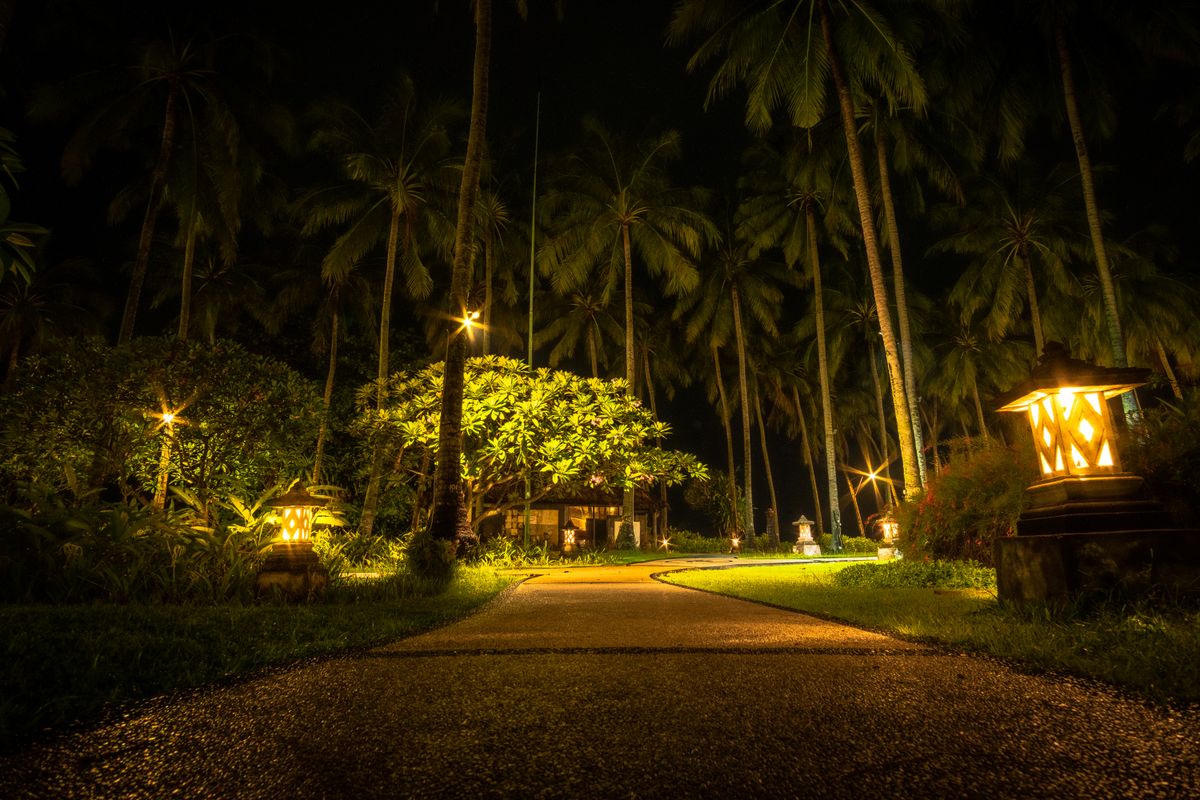
Photo by Unggul Budi on Pexels
The longevity of the projection is dictated by the quality of the monocrystalline solar panel and the capacity of the internal battery. I keep coming back to the reliability of the charging cycle during the summer months; when the panel receives direct sunlight, the resulting display is significantly more vivid. Research from eBay product listings for similar pattern-projecting lights indicates that these systems typically require a 6-8 hour charge to provide 10-12 hours of illumination. This duration is critical for maintaining the visual impact of the mandala designs from dusk until the early morning hours, ensuring the walkway remains both safe and decorative throughout the night. It turns out that the efficiency of the conversion process is what prevents the patterns from fading prematurely during long winter evenings.
Quick answers
Q: Can these lights be used in rainy climates? A: Yes, Solar Mandala Lights are typically rated with an IP65 waterproof certification, allowing them to withstand rain and snow while protecting the internal circuitry.
Q: How large is the projected pattern on the ground? A: Depending on the height of the stake, the mandala pattern usually covers a diameter of 2 to 4 feet on the walkway surface.
Q: Do the patterns move or stay static? A: While some dynamic designs exist, as noted by Pinterest trends for 2024, the standard Solar Mandala Light provides a static, high-contrast shadow that remains fixed to the ground.
Q: What surface is best for seeing the mandala design? A: Smooth surfaces like concrete, light-colored pavers, or fine gravel provide the best canvas for the intricate shadows to remain visible and sharp.
For those looking to integrate these into a larger landscape plan, elevating garden aesthetics with Solar Mandala Lights is a natural next step for creating a cohesive outdoor environment.
Learn more about Solar Mandala Lights at https://solarmandalalights.com.
Sources
Photo by Angelo Capitanio on Pexels
- Solar Garden Lights with Pattern Projection, 6-18Pcs ...
- Projector Lights on Garden Pathway
- Pathway Lights and Walkway Lights | Lighting Warehouse